|
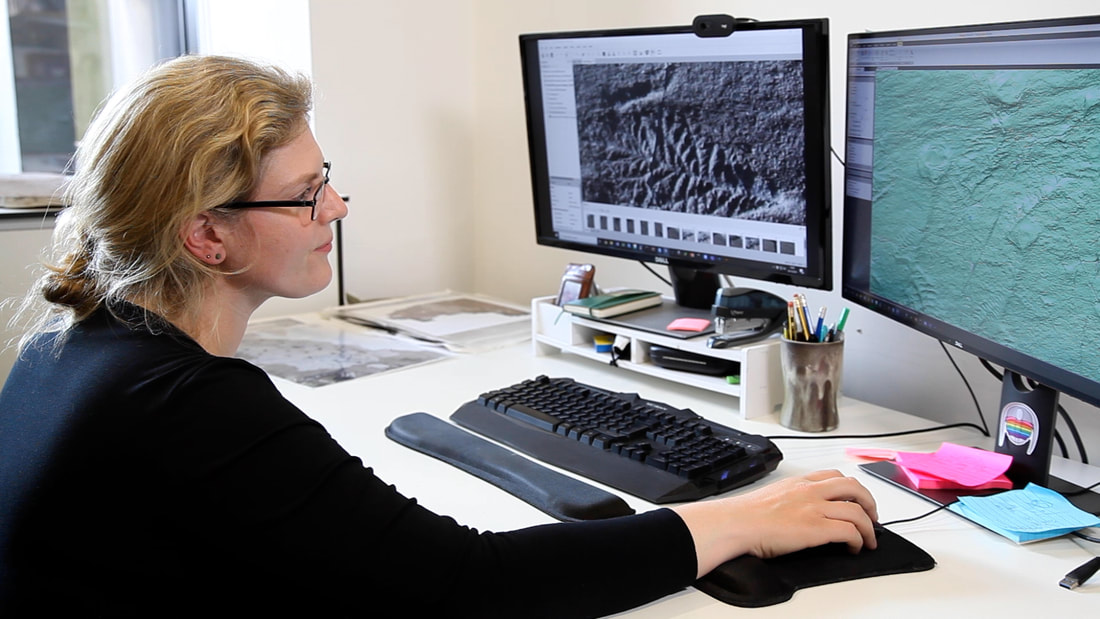
Dr Emily G. Mitchell.
PI and NERC Independent Research Fellow Assistant Professor, Department of Zoology Curator of Invertebrates, Museum of Zoology My research investigates the role of ecological processes on evolution through deep-time, from the first animal communities of the Ediacaran to the present. My interdisciplinary approach is shaped by my PhD in Palaeobiology, coupled with Master’s Degrees in ecology, physics and mathematics. During my Henslow Research Post Doctoral Fellowship I developed my innovative research program, importing novel field-based laser-scanning techniques from aerospace and combining approaches from disciplines such as forest ecology and neural networks, to address previously intractable questions about early animal life. More recently, I have expanded my research to investigate the ecology of Phanerozoic benthos, as well as living deep-sea and Antarctic communities.
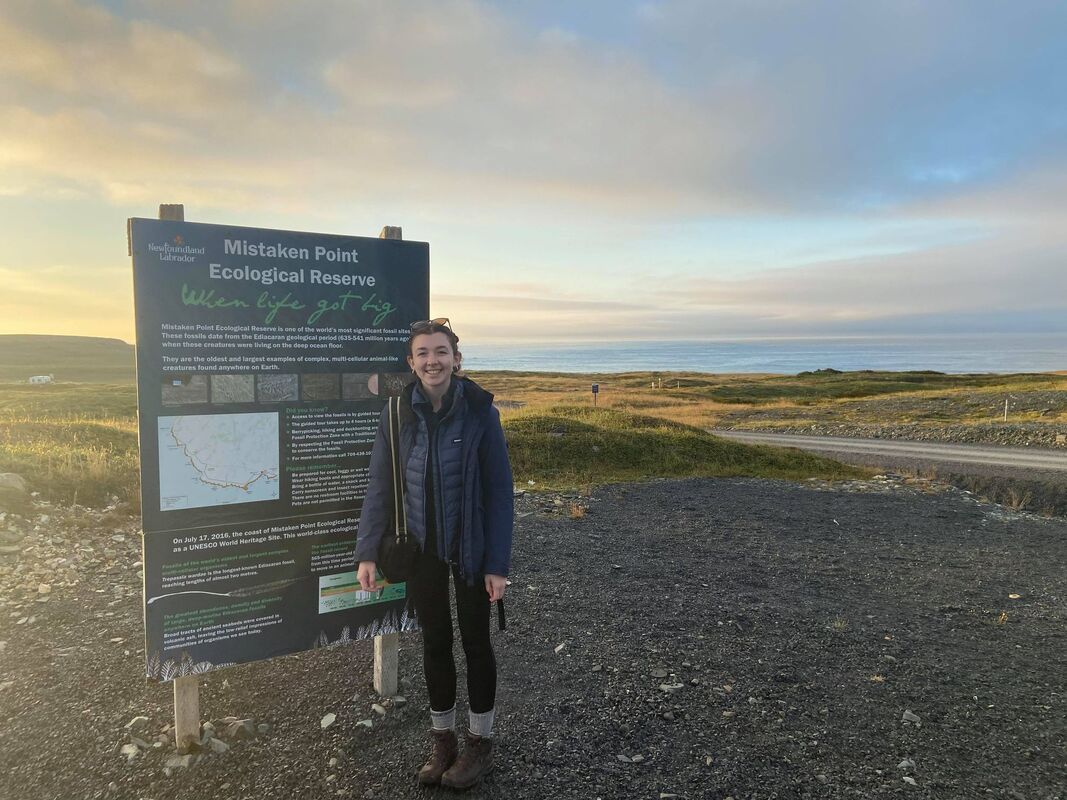
Dr Euan Furness LCLU Postdoctoral Researcher Euan is working to develop an integrated model that captures the myriad of interactions and dynamics associated with the Ediacaran to Cambrian transition – in other words, the shift from a bottom-up microbial world to one controlled largely by animals, from the top-down. This work is done with a view to investigate the underlying dynamics of these two ‘alternate stable biospheres’, the circumstances under which one might emerge from the other, and how they are likely appear in terms of planetary biosignature. We are working with Nick Butterfield, Department of Earth Sciences and are funded by the Leverhulme Centre for Life in the Universe. Katie Delahooke PhD Student Katie is investigating Ediacaran bedding planes to gain palaeoecological and palaeobiological insights on the Avalonian fossils of Newfoundland. She is co-supervised by Alex Liu, Department of Earth Sciences, University of Cambridge and funded by a NERC C-CLEAR DTP studentship. Ming Khan PhD Student Ming is investigating Antarctic benthic ecology using spatial analyses and Bayesian network inference, using both modern and Mesozoic data. She co-supervised by Huw Griffths and Rowan Whittle at British Antarctic Survey, and Andrea Manica in the Department of Zoology and is funded by a Cambridge Trust and Newnham College studentship. Nile Stephenson PhD Student Nile is working on understanding how Ediacaran communities develop, working on fossils from Newfoundland and Charnwood Forest. He is co-supervised by Andrea Manica in the Department of Zoology and is funded by a Department of Zoology SBS studentship. Princess Buma-At PhD Student Princess is investigating morphological traits of Ediacaran organisms, figuring out what the key traits are that drive the ecological dynamics. She is co-supervised by Charlotte Kenchington, Department of Earth Sciences, University of Cambridge and Jason Head, Department of Zoology, and funded by a NERC C-CLEAR DTP studentship and a Department of Zoology SBS studentship. Former DTE members Dr Stephen Pates NERC Independent Research Fellow, University of Exeter As a Herchel Smith Postdoctoral Fellow, my research explores the interaction between form and function in arthropods - the group that includes modern insects, spiders, and crustaceans. I apply statistical and engineering methodologies to quantify the morphology and hydrodynamics of extant and extinct animals, evaluate possible examples of evolutionary convergence, and better understand how environmental controls may have shaped the evolution of animals in deep time. More details about Stephen's work can be found here. |

|
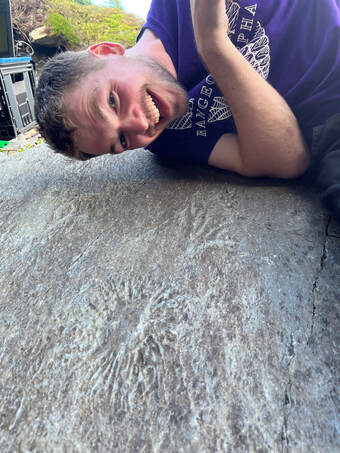
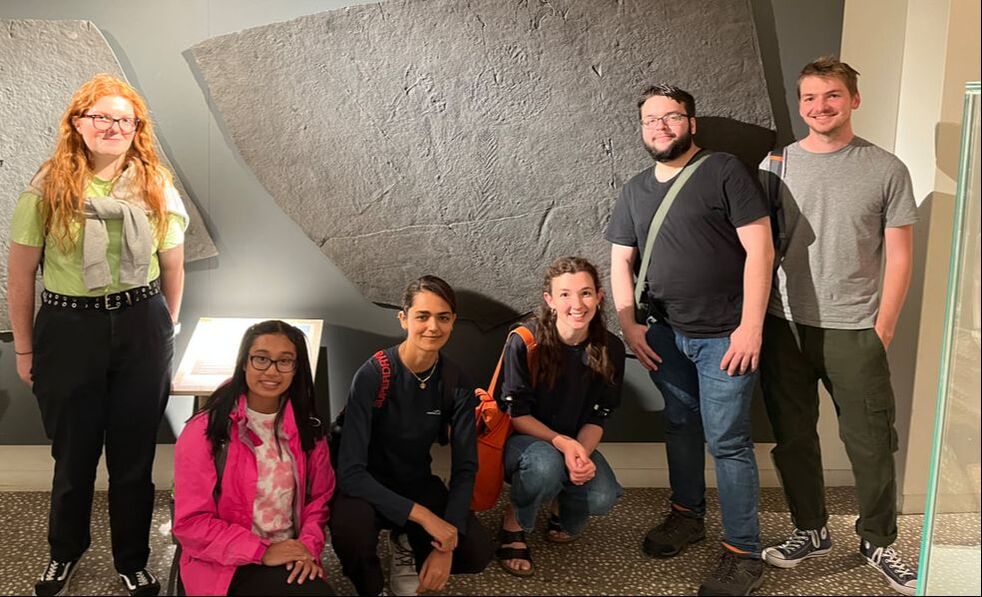
Undergraduate research students and field assistants
|

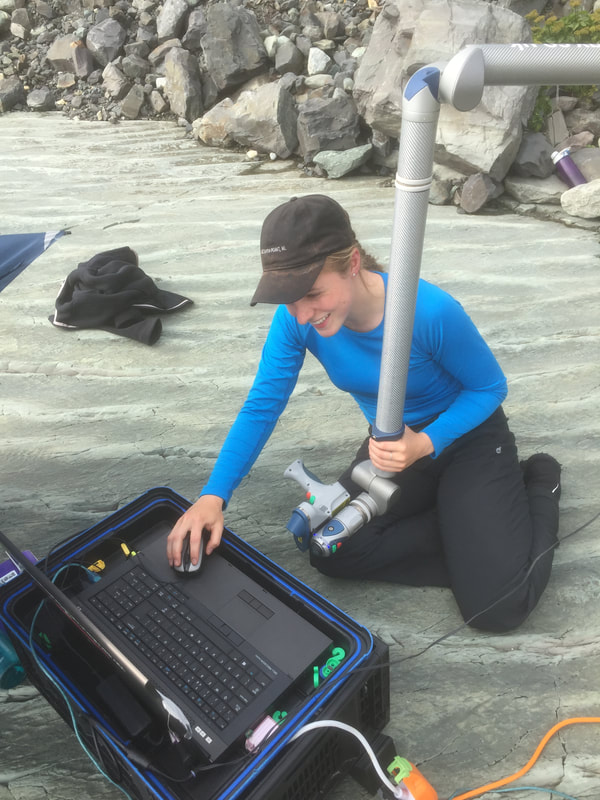
Alavya Dhungana MSci project 2018 - 2019: Resolving the affinity of the Ediacaran fossil Aspidella. Co-supervised with Dr Alex Liu.
Erin Leahy MSci project 2019 - 2020: Ediacaran super-traits. Co-supervised with Dr Alex Liu.
Catherine Clark, MSci project 2016 - 2017: Facultative sexual reproduction in an Ediacaran Organism.
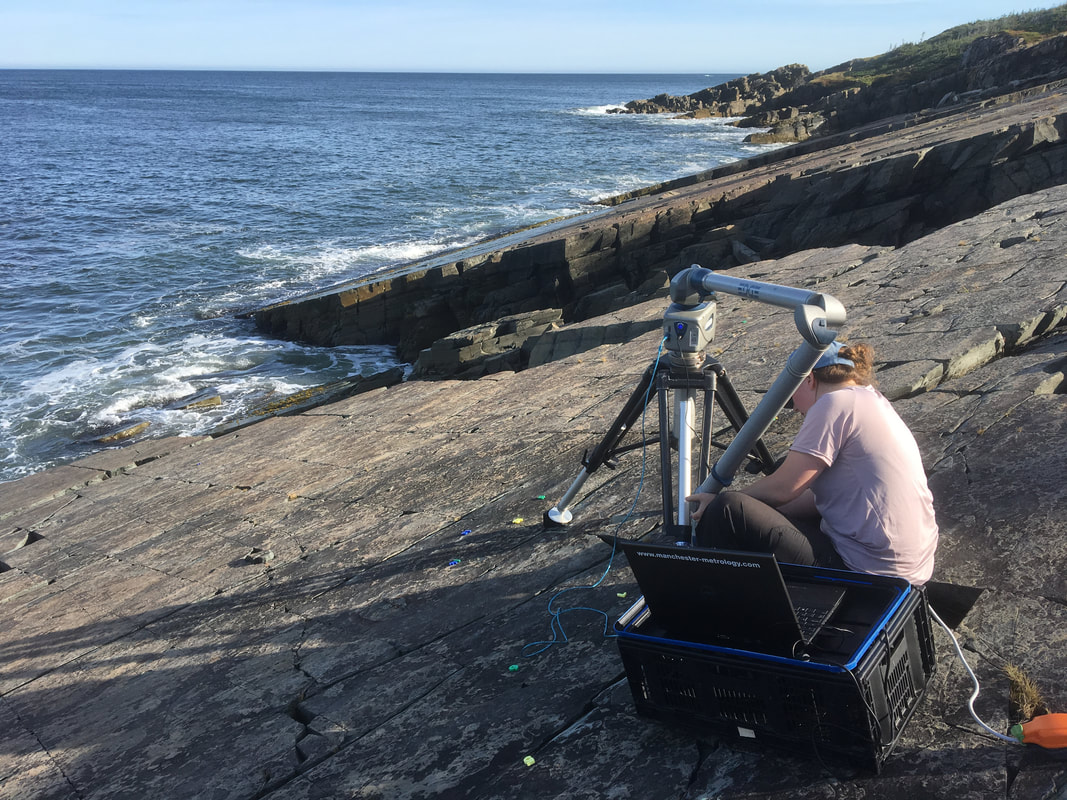
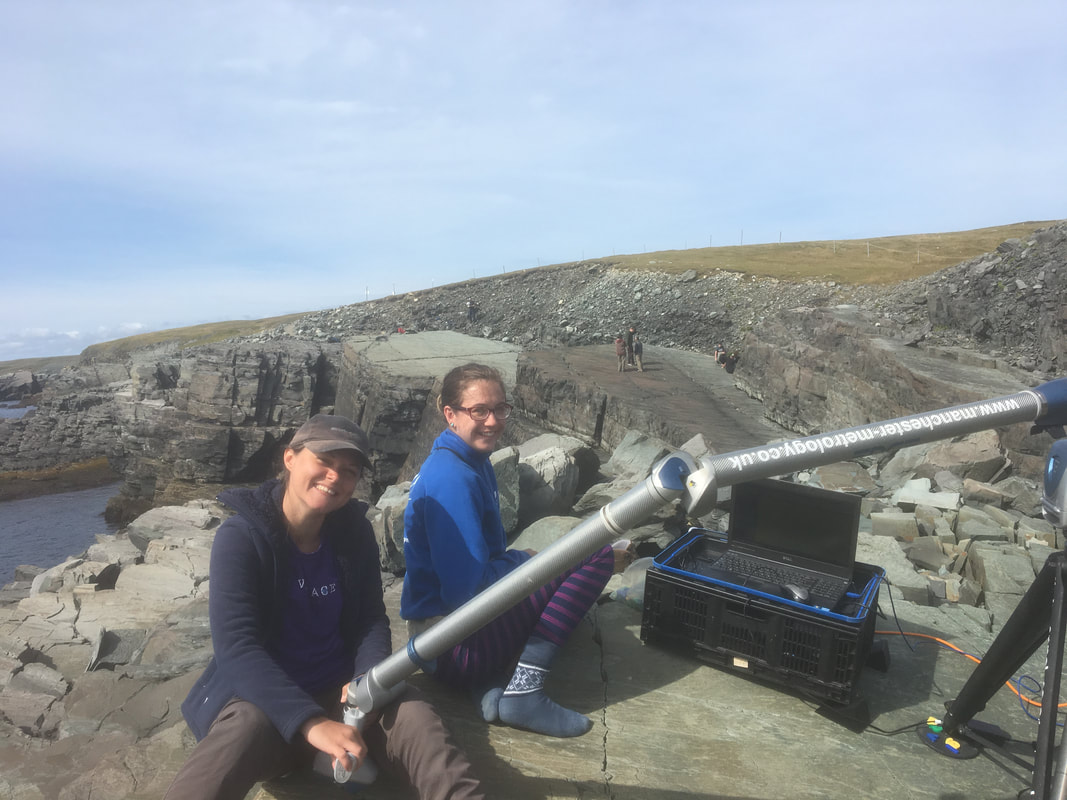
Lucy Roberts and Sasha Dennis 2018 Field assistants, Newfoundland Canada.
Becky Eden, Undergraduate Project 2019-2020: Ediacaran meta-communities. Co-supervised with Prof Andrea Manica.
Phil Vixseboxse, Summer research Project 2020: Orientations of Ediacaran fronds.
Nicole Barnes, Summer research Project 2021: Ediacaran stemmed taxa.
Garðar Ingvarsson, Undergraduate Project 2021-2022: Deep-sea organism detection and classification. Co-supervised with Dr Chris Town.
Alicia Cox, Summer student supervised by Dr Steven Pates: Morphological variation in the earliest cosmopolitan arthropods.
Callum Hill, Summer student: Ediacaran ecology.
Princess Buma-At, NERC REP Summer student: Understanding the impact of MISS on Ediacaran community ecology.
Sanaa Mughal, IPLU summer student, with Dr Paul Rimmer and Dr Oli Shorttle: Ecological dynamics of shadow biospheres.
Linus Leong, Undergraduate Project 2022-2023: Deep-sea organism detection and classification. Co-supervised with Dr Chris Town.
Sathujan Manmatharajah, Undergraduate Project 2022-2023: Clam shells as microcosms of competition dynamics.
Alicia Cox, Undergraduate Project 2022-2023 supervised by Dr Steven Pates: How do chitons grow?
Max Burns, Undergraduate Project 2022-2023 supervised by Dr Steven Pates: How do chitons grow?
Erin Leahy MSci project 2019 - 2020: Ediacaran super-traits. Co-supervised with Dr Alex Liu.
Catherine Clark, MSci project 2016 - 2017: Facultative sexual reproduction in an Ediacaran Organism.
Lucy Roberts and Sasha Dennis 2018 Field assistants, Newfoundland Canada.
Becky Eden, Undergraduate Project 2019-2020: Ediacaran meta-communities. Co-supervised with Prof Andrea Manica.
Phil Vixseboxse, Summer research Project 2020: Orientations of Ediacaran fronds.
Nicole Barnes, Summer research Project 2021: Ediacaran stemmed taxa.
Garðar Ingvarsson, Undergraduate Project 2021-2022: Deep-sea organism detection and classification. Co-supervised with Dr Chris Town.
Alicia Cox, Summer student supervised by Dr Steven Pates: Morphological variation in the earliest cosmopolitan arthropods.
Callum Hill, Summer student: Ediacaran ecology.
Princess Buma-At, NERC REP Summer student: Understanding the impact of MISS on Ediacaran community ecology.
Sanaa Mughal, IPLU summer student, with Dr Paul Rimmer and Dr Oli Shorttle: Ecological dynamics of shadow biospheres.
Linus Leong, Undergraduate Project 2022-2023: Deep-sea organism detection and classification. Co-supervised with Dr Chris Town.
Sathujan Manmatharajah, Undergraduate Project 2022-2023: Clam shells as microcosms of competition dynamics.
Alicia Cox, Undergraduate Project 2022-2023 supervised by Dr Steven Pates: How do chitons grow?
Max Burns, Undergraduate Project 2022-2023 supervised by Dr Steven Pates: How do chitons grow?